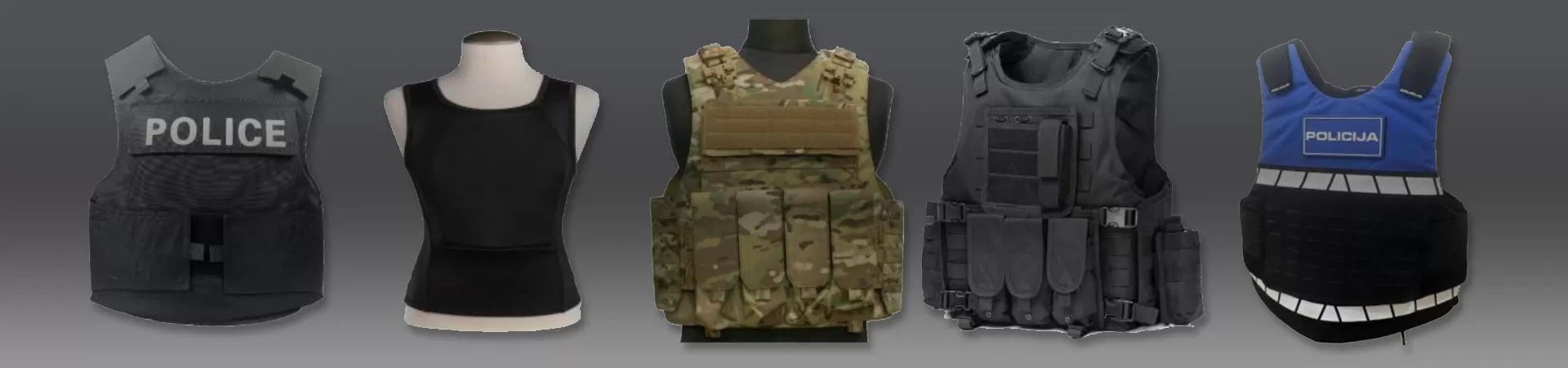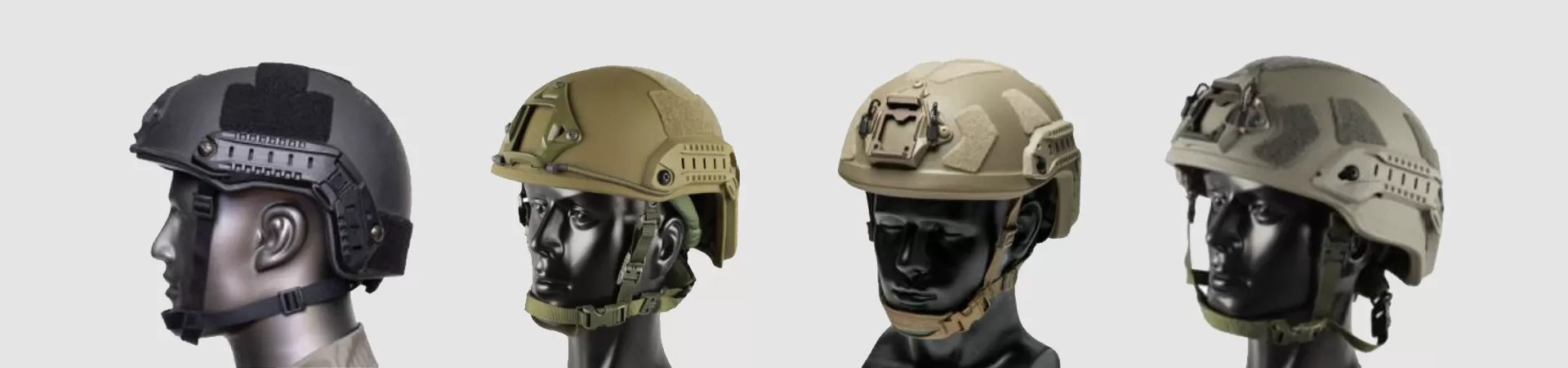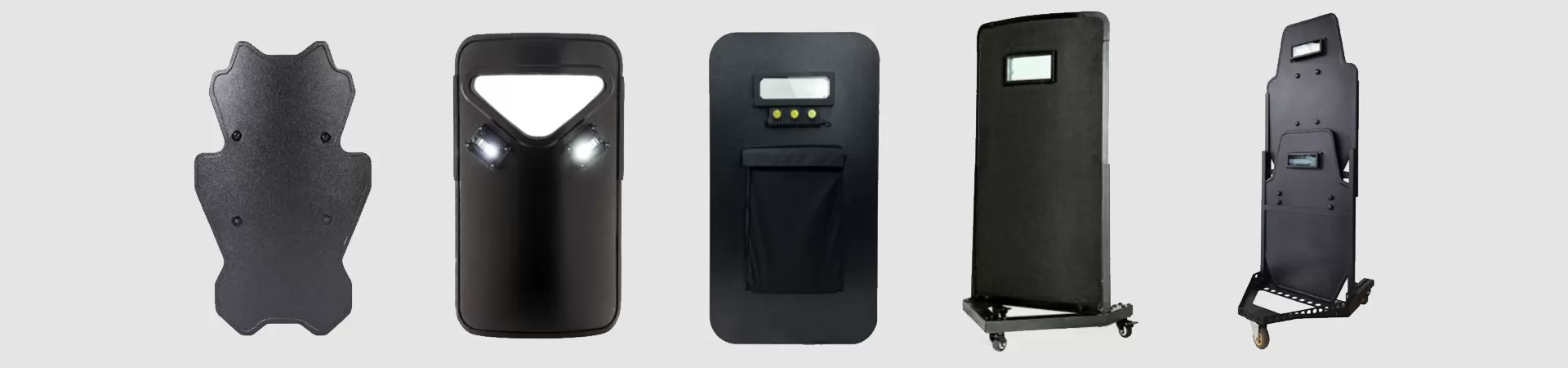
In modern security operations, personal protection equipment has become increasingly important for both personnel safety and operational efficiency. Whether for private security companies, government security teams, industrial site protection, patrol services, or high-risk security projects, choosing the right Tactical Bulletproof Vest can directly impact mission performance and user safety.
However, selecting a bulletproof vest is not simply about choosing the highest protection level. Security projects often require a balance between protection, comfort, durability, mobility, and budget. A vest that is too heavy may reduce flexibility during long shifts, while insufficient protection may fail to meet project requirements.
This guide explains the key factors buyers should consider when choosing a tactical bulletproof vest for security projects.
Before purchasing any tactical body armor, buyers should first define the working environment and project requirements. Different security operations require different levels of protection and functionality.
For example, shopping mall security, hotel protection teams, and event security may prioritize lightweight and comfortable tactical vests for long hours of wear. In contrast, high-risk patrol operations, VIP protection, or tactical response teams may require enhanced ballistic protection and modular tactical features.
Key questions to ask include:
By understanding the actual operational needs, buyers can avoid purchasing equipment that is either overbuilt or insufficient for the mission.
One of the most important factors when selecting a tactical bulletproof vest is ballistic protection level.
Most security projects commonly use NIJ Level IIIA protection, which is designed to stop common handgun threats such as 9mm and .44 Magnum rounds. This level is often preferred because it offers a practical balance between protection and comfort.
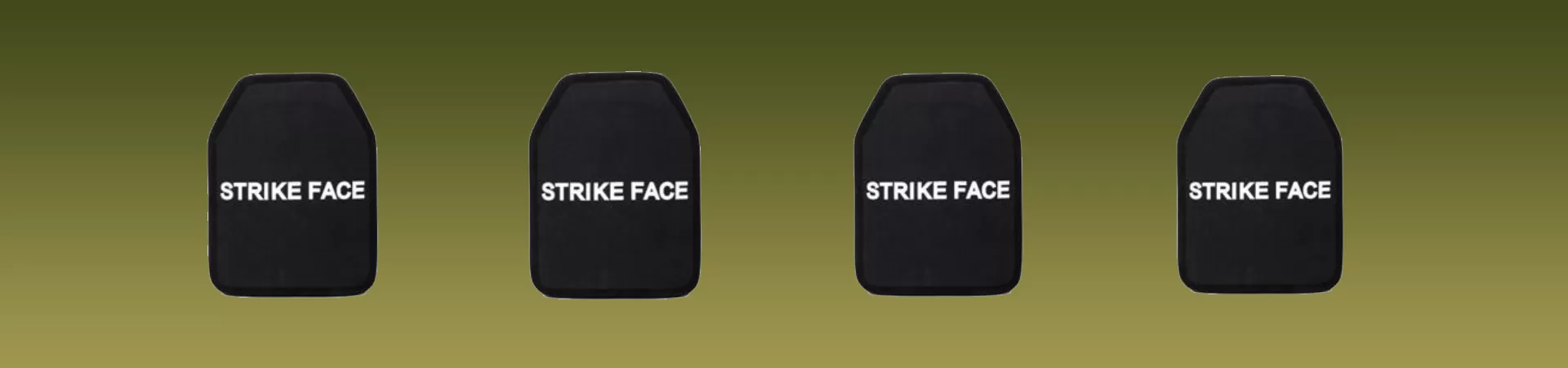
For higher-risk environments, tactical vests may also support hard armor plates to achieve NIJ Level III or Level IV protection against rifle threats.
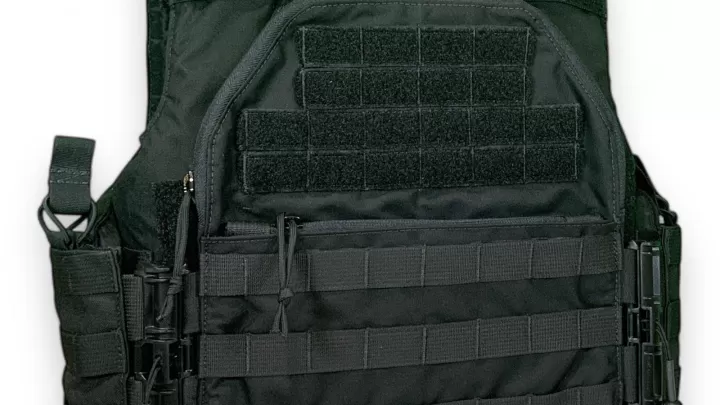
NIJ IIIA Tactical Bulletproof Vest
Best for:
Advantages:
Best for:
Advantages:
Instead of simply choosing the highest protection level, security buyers should focus on selecting the protection level that best fits operational risk.
The internal ballistic material significantly affects both protection performance and wearer comfort.
Most professional tactical bulletproof vests use advanced ballistic soft panels made from:
Benefits include:
Benefits include:
For long security shifts, lightweight materials are usually preferred because they reduce fatigue and improve movement efficiency.
When sourcing a tactical bulletproof vest, buyers should always verify the ballistic material specifications and confirm whether the protection solution matches project requirements.
Modern security projects often require more than basic body armor. Personnel may need to carry communication devices, medical kits, flashlights, utility pouches, magazines, or mission-specific accessories.
This is where tactical functionality becomes important.
A professional Tactical Bulletproof Vest should ideally include:
The MOLLE system allows security teams to customize their loadout depending on mission requirements. This flexibility is especially useful for companies managing different security environments.
Quick release systems are another valuable feature because they improve emergency response and make gear removal easier.
Many buyers focus only on protection ratings, but comfort is equally important—especially for guards or tactical personnel who wear protective gear for 8–12 hours daily.
A poorly designed vest may lead to:
Important comfort factors include:
A well-designed tactical vest should distribute weight evenly to reduce pressure on the shoulders and back.
Ventilated structure and breathable lining improve comfort during long shifts and warm-weather operations.
Different body types require adjustable sizing systems. Tactical bulletproof vests with adjustable straps are more suitable for security projects involving multiple personnel.
Personnel should be able to run, bend, crouch, and move freely without significant restrictions.
In real-world security operations, comfort often determines whether protective equipment will be worn correctly and consistently.
The carrier material of the vest affects long-term durability and field performance.
Professional tactical bulletproof vest carriers are commonly manufactured using:
These materials offer excellent:
For outdoor patrol, industrial protection, or heavy-duty tactical environments, durable carrier materials can significantly extend product life.
A high-quality tactical vest should maintain structural stability even after extended operational use.
For B2B buyers, customization is often an important consideration.
Many security companies require:
Working with an experienced manufacturer or supplier that supports OEM and ODM services can simplify project management and improve procurement efficiency.
Reliable suppliers can also provide samples, stable production schedules, and better quality consistency for bulk orders.
Cost is always important in procurement, but body armor should never be selected solely based on the lowest price.
Low-cost products may result in:
For security projects, reliable protection and consistent quality usually provide greater long-term value than short-term savings.
A professional tactical bulletproof vest should balance protection, comfort, durability, and operational functionality.
Before making a purchasing decision, buyers should ask the following questions:
If the answer is yes to most of these questions, the vest is likely suitable for professional security deployment.
Choosing the right tactical bulletproof vest for security projects requires more than simply comparing specifications. Buyers should carefully evaluate protection level, tactical functionality, ballistic materials, comfort, durability, and supplier reliability.
The best tactical bulletproof vest is one that delivers effective protection while remaining comfortable enough for daily operational use.
For professional security projects, selecting the right solution can improve safety, operational efficiency, and long-term equipment performance.