Understanding the real difference between NIJ IIIA and NIJ III tactical protection for security, law enforcement, distributors, and procurement buyers.
When choosing tactical protective equipment, one of the most common questions buyers ask is: Should I choose NIJ IIIA or NIJ III tactical protection? The answer depends on the actual threat level, operating environment, comfort requirements, and mission objectives.
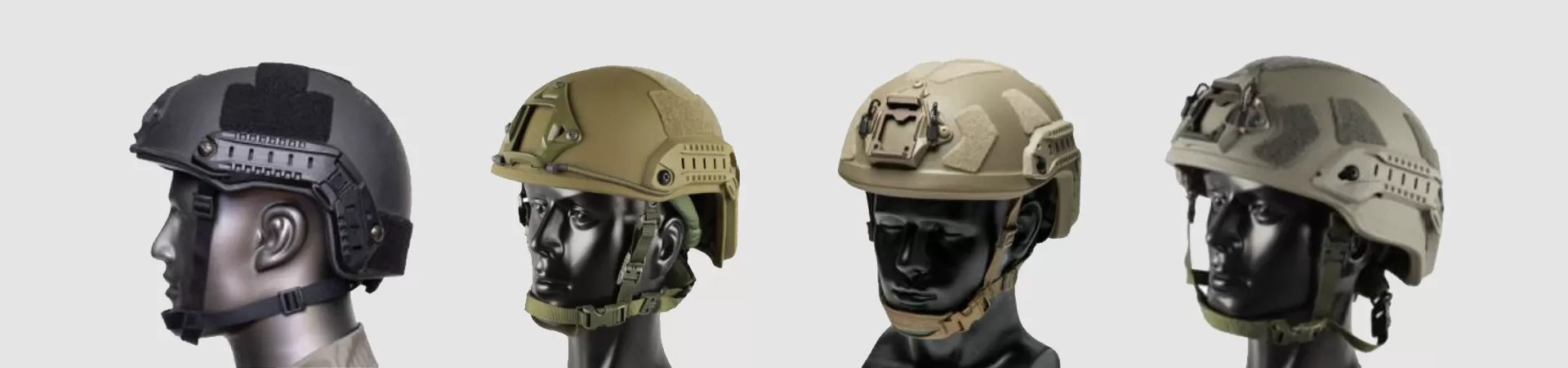
For security companies, tactical gear distributors, government procurement teams, and professional users, understanding the difference between these two protection categories is critical. Selecting the wrong level may result in unnecessary weight, reduced mobility, or insufficient protection for real-world threats.
In this guide, we explain the key differences between NIJ IIIA and NIJ III tactical protection, compare materials and performance, and help buyers make smarter decisions based on operational needs.
Before comparing protection levels, it is important to understand what NIJ stands for.
The National Institute of Justice (NIJ) is the U.S. standard-setting body that establishes performance testing requirements for ballistic-resistant body armor. These standards are widely referenced by law enforcement agencies, tactical operators, military suppliers, and global security buyers.
Body armor is tested against different ballistic threats, including handgun ammunition and rifle rounds. Different protection levels are designed for different risk environments.
In simple terms:
However, the real difference goes much deeper than that.
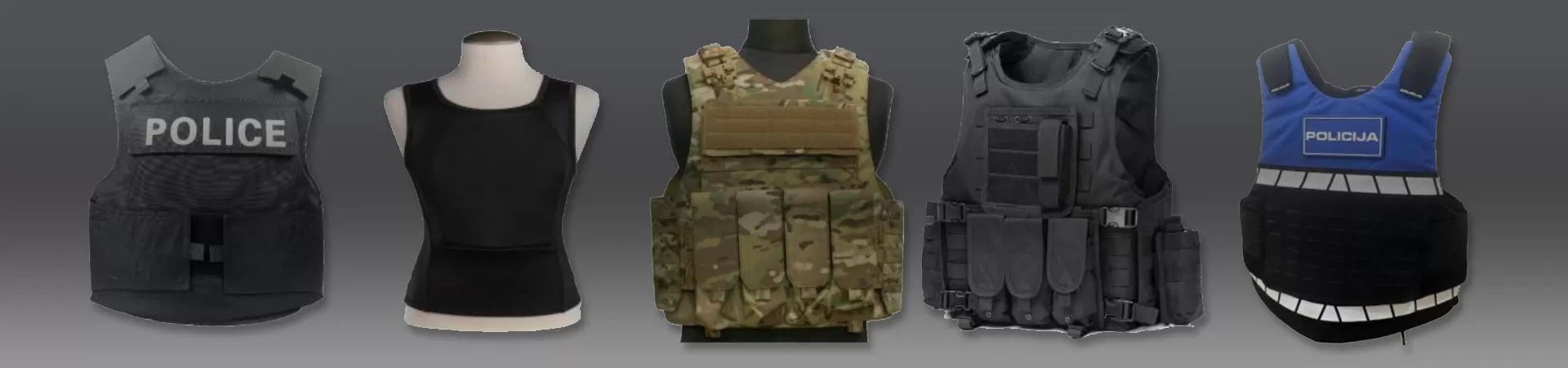
NIJ IIIA is widely recognized as one of the highest levels of soft body armor protection. It is primarily designed to stop common handgun threats while maintaining flexibility and comfort for long-duration wear.
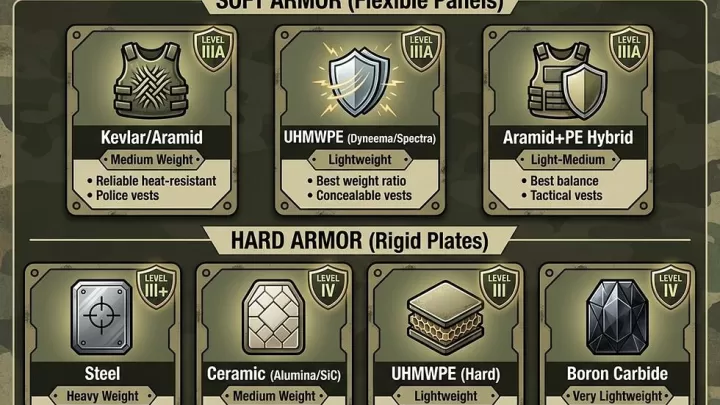
Typical IIIA tactical vests are manufactured using high-performance ballistic materials such as:
Because of their lightweight structure, IIIA systems are widely used for:
One of the biggest benefits of IIIA armor is wearability. Soft armor is lighter than rifle-rated hard plate systems, making it easier to wear during extended shifts.
For users working 8–12 hour security operations, comfort directly impacts performance.
Soft ballistic panels provide excellent flexibility, allowing users to move, run, drive, or react quickly in dynamic environments.
This is particularly important for:
Many IIIA tactical vests can be worn under clothing, which makes them ideal for undercover work and low-profile protection.
Although IIIA offers excellent handgun protection, it is not intended for rifle threats.
In environments involving possible long-gun attacks, users may require rifle-rated hard armor systems instead.
What Is NIJ III Tactical Protection?
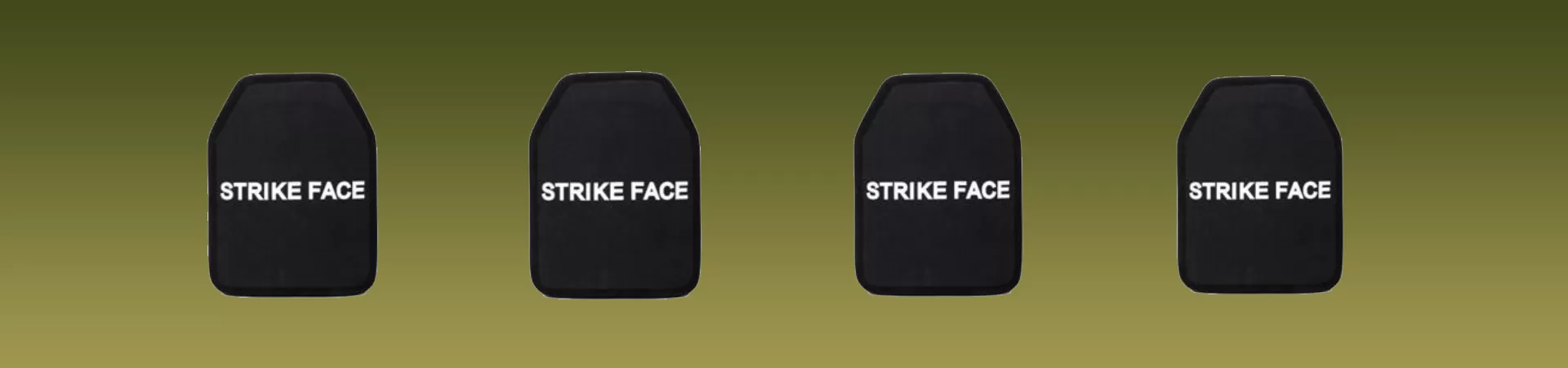
NIJ III tactical protection generally refers to armor systems designed to stop rifle threats using hard ballistic plates.
Unlike IIIA soft armor, Level III systems are usually integrated into:
Hard armor plates are commonly manufactured using:
These plates are inserted into front and back pockets of tactical carriers and can optionally include side plates for expanded coverage.
The biggest advantage is protection against rifle threats, making Level III tactical armor suitable for:
Most tactical plate carriers include:
This allows users to customize gear according to mission requirements.
Many systems can be upgraded to higher configurations depending on operational risks.
For buyers and distributors, this flexibility increases product application across different markets.
| Feature | NIJ IIIA | NIJ III Tactical |
|---|---|---|
| Protection Type | Handgun threats | Rifle threats |
| Armor Type | Soft armor | Hard armor plates |
| Weight | Lighter | Heavier |
| Flexibility | High | Moderate |
| Comfort | Excellent | Lower |
| Concealability | High | Low |
| Tactical Capability | Medium | High |
| Common Use | Security & patrol | Tactical operations |
The easiest way to think about it is this:
NIJ IIIA prioritizes mobility. NIJ III tactical prioritizes maximum ballistic resistance.
Neither option is universally “better.” The correct choice depends entirely on the operational threat environment.
For many professional organizations, a mixed deployment strategy works best. Patrol teams may wear IIIA daily, while tactical units maintain rifle-rated equipment for emergency response scenarios.
Before purchasing ballistic protection, professional buyers should evaluate:
Always start with the real threat level.
Do not overbuy protection if mobility matters more, and never underbuy in high-risk environments.
Ask suppliers about material construction:
Material selection affects:
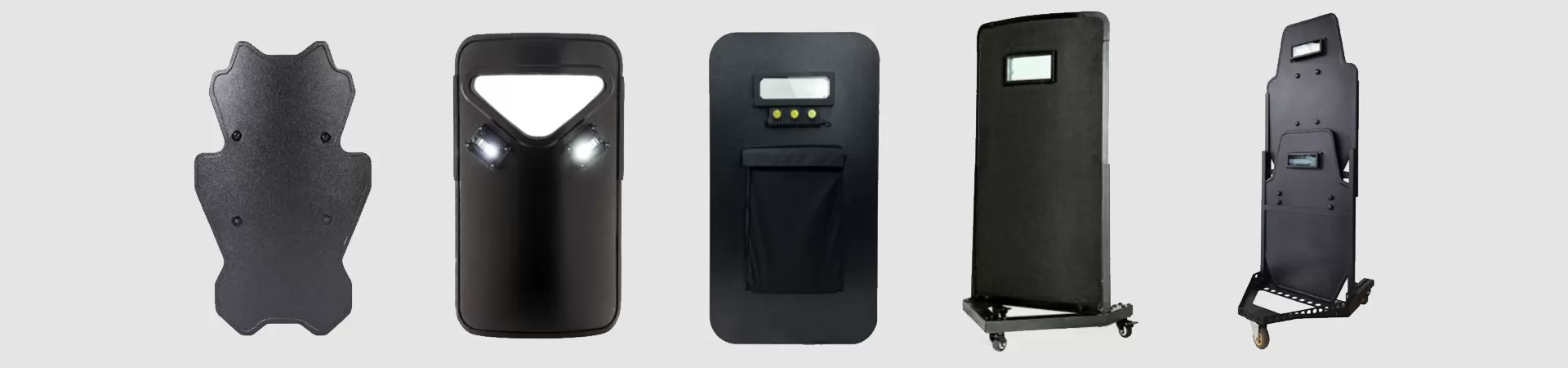
Consider whether additional protection areas are required:
For distributors and procurement buyers, customization options may include:
Always verify test reports and compliance documentation before ordering.
Reliable suppliers should provide transparent ballistic testing information.
Choosing between NIJ IIIA and NIJ III tactical protection is not about finding the strongest armor—it is about selecting the right armor for the right mission.
If your priority is mobility, comfort, concealment, and handgun protection, NIJ IIIA tactical protection is often the smarter solution.
If rifle threats are possible and tactical readiness is essential, NIJ III tactical systems with hard armor plates provide the higher level of defense needed for dangerous environments.
Ultimately, the best tactical protection system balances threat level, comfort, mission requirements, and long-term usability. A well-selected armor system improves not only safety but also operational performance when every second matters.