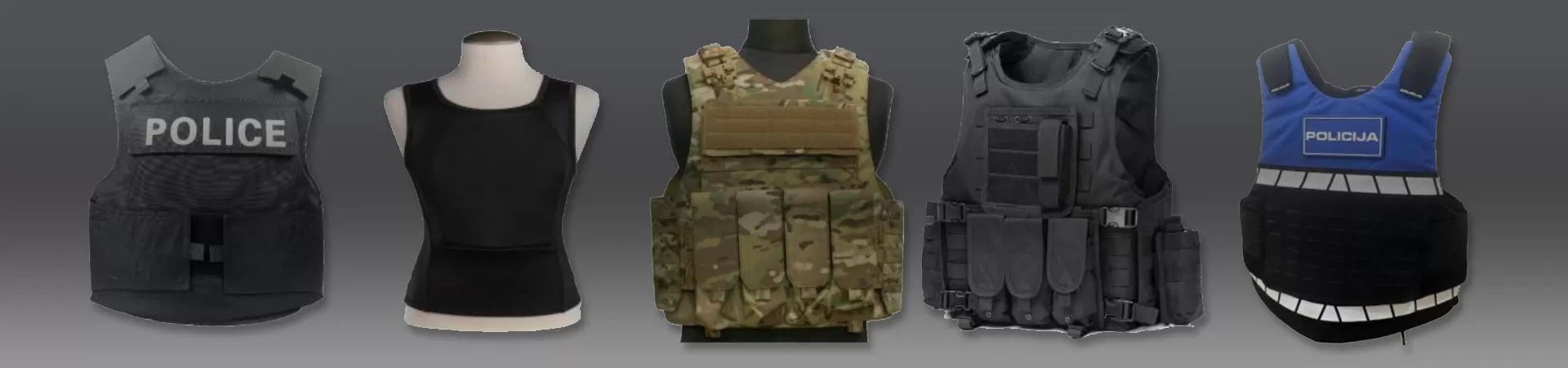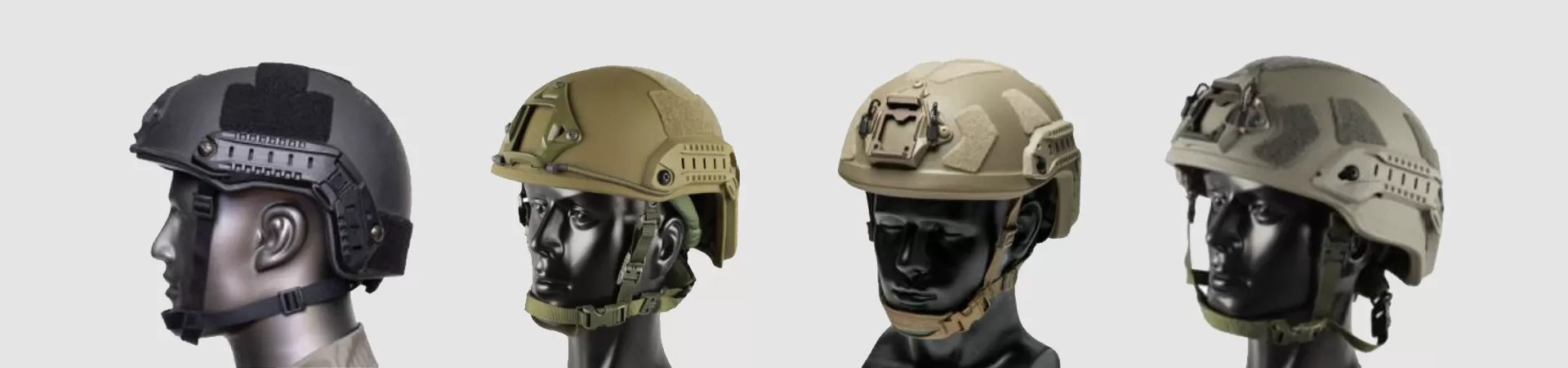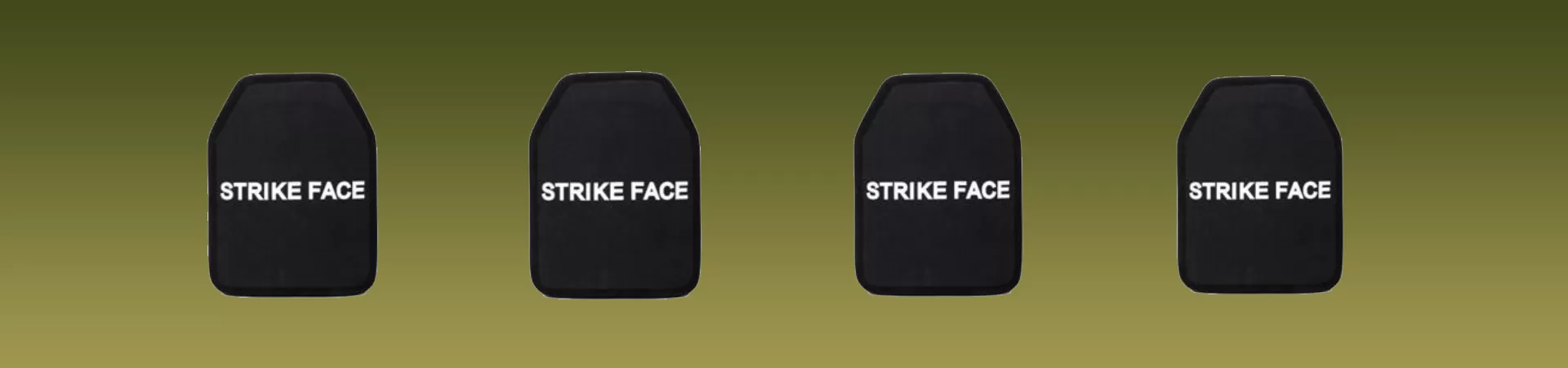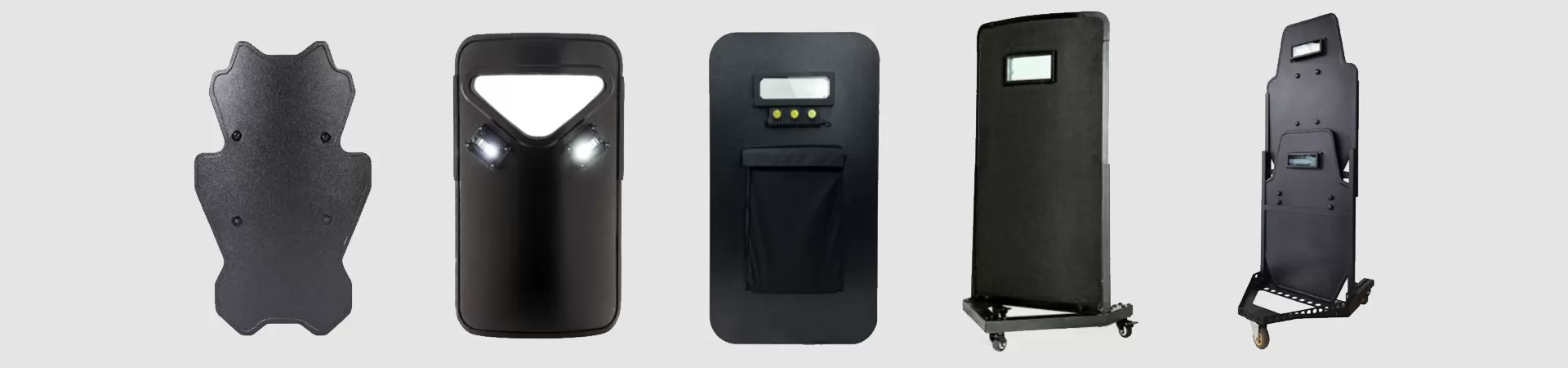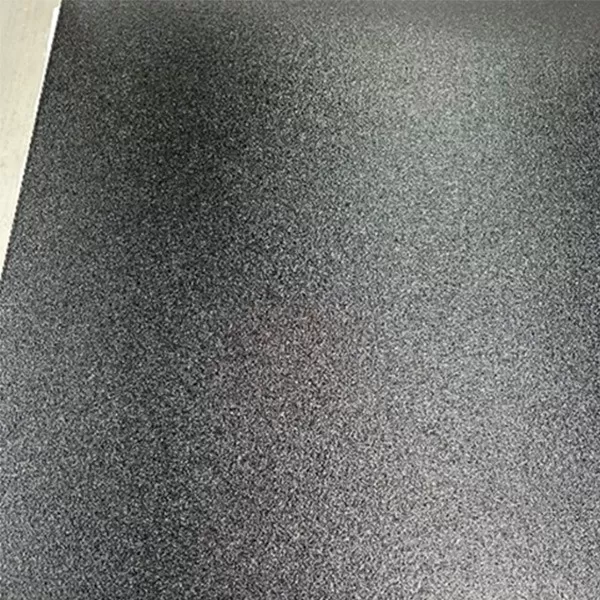
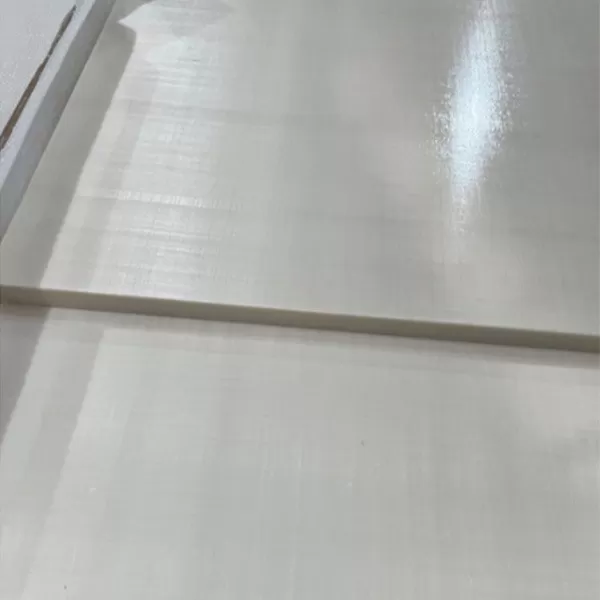
Our advanced armor panels are engineered for modern ballistic protection, suitable for military, law enforcement, and commercial security applications. Lightweight yet durable, they combine polyethylene, aramid fibers, and ceramic composites to provide superior protection against small arms and rifle threats. The Polyurea coating ensures waterproofing, corrosion resistance, and extended service life, making these panels ideal for vehicles, boats, and buildings in diverse environments.
Designed to stop handgun rounds including 9mm FMJ, .357 SIG, and .44 Magnum. Ideal for VIP vehicles, patrol boats, and security booths.
Provides protection against rifle rounds such as 7.62×51mm M80. Recommended for tactical vehicles, military shelters, and secure facilities.
Enhanced ballistic resistance against M193, SS109/M855, and AK47 MSC. Suitable for high-risk transportation and special law enforcement operations.
The highest commonly requested protection, capable of stopping .30 Caliber M2 AP armor-piercing rounds. Recommended for military vehicles, command centers, and high-threat government facilities.
Contact our engineering team to design armor panels that meet your exact specifications. Fast turnaround, OEM/ODM support, and global shipping available.
Selecting the right armor panels is crucial for ensuring maximum protection while maintaining operational efficiency. This comprehensive guide will help you understand the materials, protection levels, applications, and installation considerations for armor panels designed for vehicles, boats, and buildings.
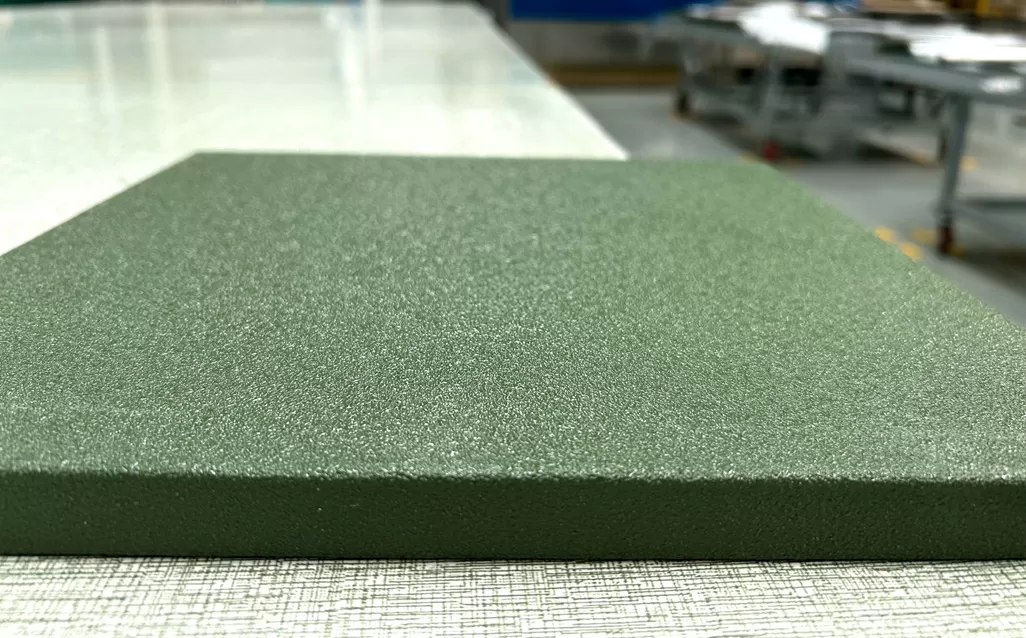
Armor panels are rated according to the National Institute of Justice (NIJ) standards. Choosing the appropriate protection level depends on the type of threat your assets may encounter.
Modern armor panels use lightweight composite materials instead of traditional steel to provide superior weight-to-protection ratios.
| Material | Weight | Protection Level | Typical Applications | Advantages |
|---|---|---|---|---|
| PE (Polyethylene) | Very Light | IIIA – III | Vehicle doors, VIP vehicles, lightweight mobile installations | Low weight, easy to install, corrosion-resistant |
| PE + Ceramic | Light | III – IV | Tactical vehicles, military shelters, marine applications | Higher ballistic protection, moderate weight, durable |
| Aramid + Ceramic | Medium | III – IV | Buildings, critical infrastructure, armored boats | Excellent multi-hit performance, good environmental resistance |
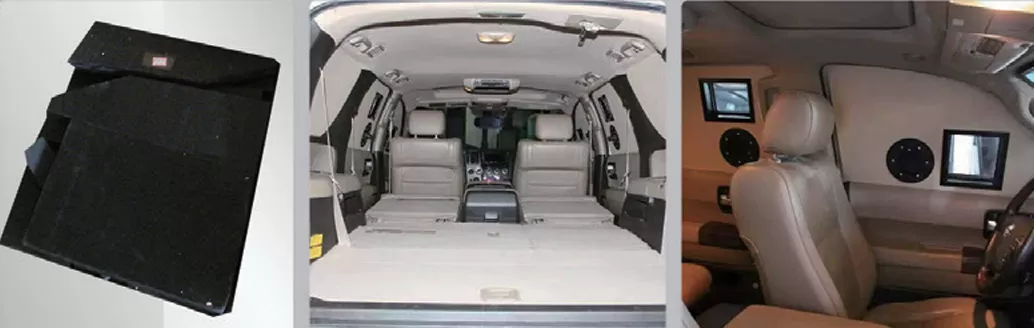
Armor panels for vehicles are widely used in:
Panels can be integrated into doors, roofs, floor sections, and cargo compartments. Curved panels allow for seamless integration into vehicle contours, maintaining aesthetics and aerodynamics.
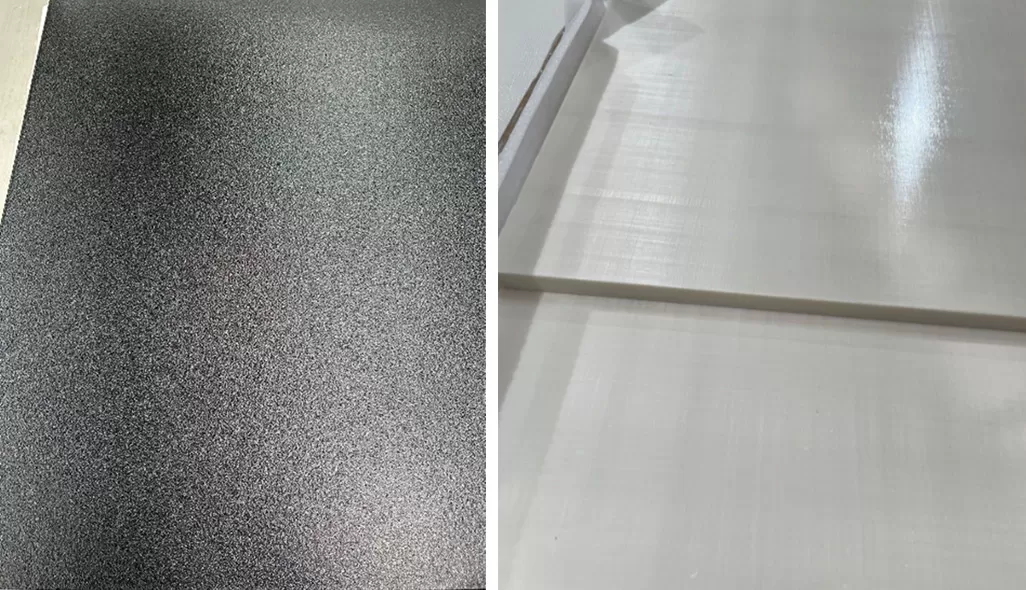
Boats and patrol vessels can benefit from composite armor panels:
Marine-grade Polyurea coating ensures resistance to saltwater corrosion and UV degradation, while lightweight composite materials preserve speed and maneuverability.
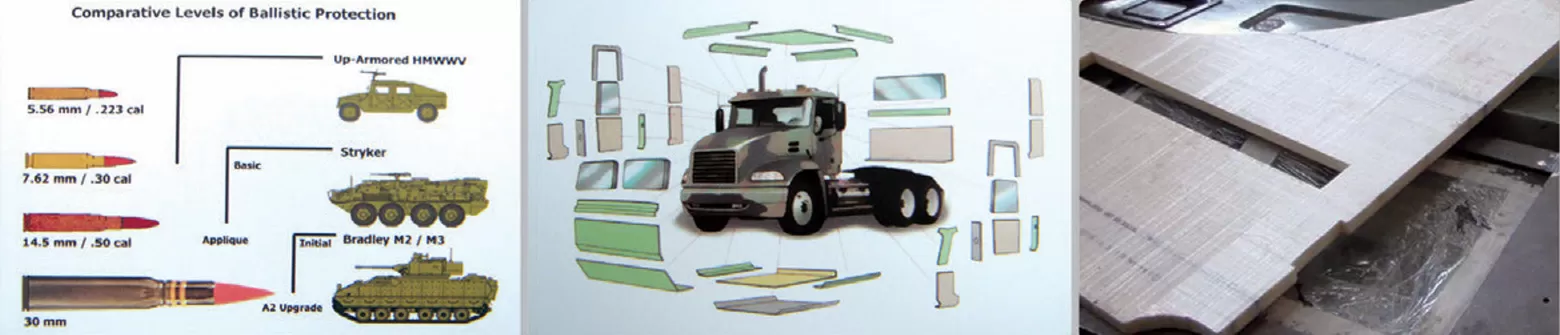
Buildings and critical infrastructure can be fortified with armor panels in:
Panels can be installed in walls, doors, windows, and critical entry points. Multi-layer composites offer excellent multi-hit resistance and long-term durability against environmental exposure.
Every project is unique, and our armor panels can be fully customized:
Our engineering team provides CAD-based layout guidance and installation instructions to ensure seamless integration and optimal protection performance.
Every armored vehicle project, marine security platform, and building protection system has unique requirements.Standardized armor products often fail to meet the dimensional, structural, and protection requirements of complex projects.For this reason, we provide comprehensive OEM and ODM manufacturing services for customers worldwide.
Our engineering team works closely with system integrators, defense contractors, security solution providers, vehicle manufacturers, marine equipment suppliers, government agencies, and infrastructure protection companies to develop customized armor solutions that meet project-specific requirements.
To accelerate project development, we accept a wide range of engineering file formats.
Our technical specialists can assist customers during the planning phase by recommending appropriate protection levels, material combinations, weight optimization strategies, installation methods, and environmental protection solutions.
Selecting the right manufacturing partner is just as important as selecting the right armor material. The effectiveness of a ballistic protection system depends heavily on manufacturing quality material consistency, engineering expertise, and quality control procedures.
As a direct manufacturer, we control the entire production process from raw material sourcing through final inspection. This allows us to maintain consistent quality while offering competitive pricing.
Our production facility utilizes advanced manufacturing equipment designed for precision processing of ballistic materials.
Successful armor projects require more than manufacturing capability. They require engineering knowledge and real-world application experience.
Our team understands the challenges associated with armored vehicles, marine protection systems, security buildings, and critical infrastructure projects. This experience enables us to recommend effective solutions that balance protection, weight, installation requirements, and budget considerations.
Modern armored vehicles require lightweight protection solutions that maintain vehicle performance while providing effective ballistic resistance.
Our armor panels are designed for integration into doors, roofs, floor systems, cargo compartments, and other critical vehicle structures.
Marine applications demand resistance to moisture, saltwater exposure, and harsh environmental conditions.
Polyurea-coated armor panels provide additional environmental protection while maintaining structural integrity.
Building protection projects often require concealed ballistic protection. Armor panels can be integrated into walls, doors, partitions, security stations, and critical infrastructure facilities.
Energy facilities, telecommunications centers, transportation hubs, and data centers increasingly require enhanced security measures.
Armor panels provide an effective solution for strengthening vulnerable areas while preserving operational functionality.
Quality control is implemented throughout every stage of production. Every armor panel undergoes systematic inspection procedures designed to ensure consistent product quality and dimensional accuracy.
Raw materials are inspected before entering production. Material specifications are verified to ensure conformity with project requirements.
During production, critical dimensions and manufacturing parameters are monitored to ensure consistency and repeatability.
Before shipment, armor panels undergo final inspections including:
Manufacturing records are maintained throughout the production cycle, enabling traceability and quality assurance.
We support customers across multiple regions and industries. Our experience with international projects allows us to provide efficient communication, reliable production scheduling, and professional export support.
Armor panels are available in NIJ IIIA, III, III+, and IV protection levels, suitable for various ballistic threats.
Materials include PE, PE+Ceramic, Aramid+Ceramic, providing a balance between weight and protection.
Yes, armor panels can be customized according to drawings, CAD files, or technical specifications.
Yes, all armor panels are coated with Polyurea to resist water, corrosion, and environmental damage.
Suitable for vehicles, boats, government buildings, industrial facilities, and critical infrastructure protection.
Yes, both flat and curved panels are available to match installation requirements.
Lead time depends on specifications and quantity, typically 4-6 weeks for standard orders.
Yes, Polyurea coating and corrosion-resistant materials ensure suitability for saltwater and marine conditions.
Under proper maintenance, armor panels can provide reliable ballistic protection for many years.
Yes, our engineering team provides installation guidance, drawings, and consultation services.