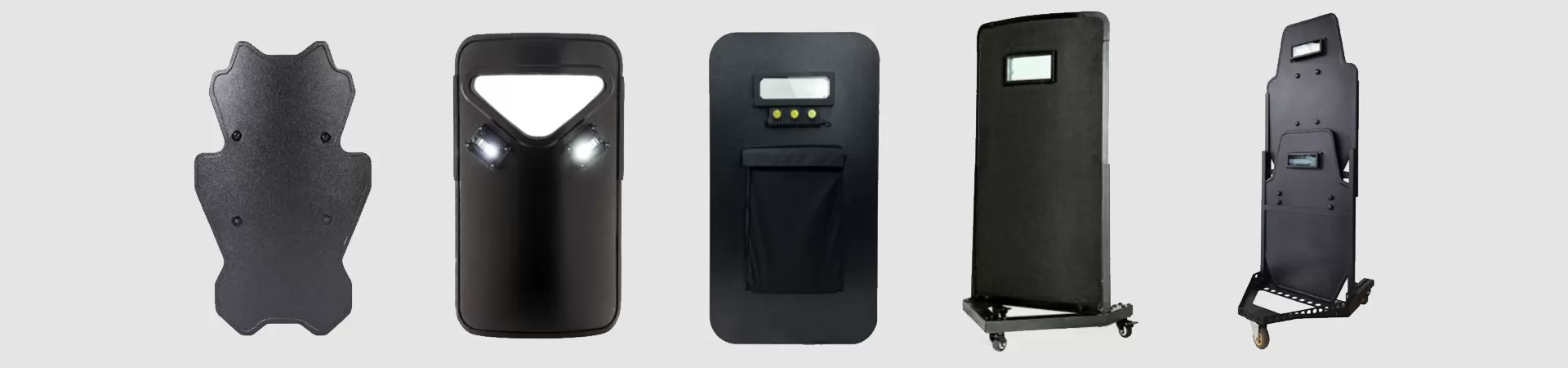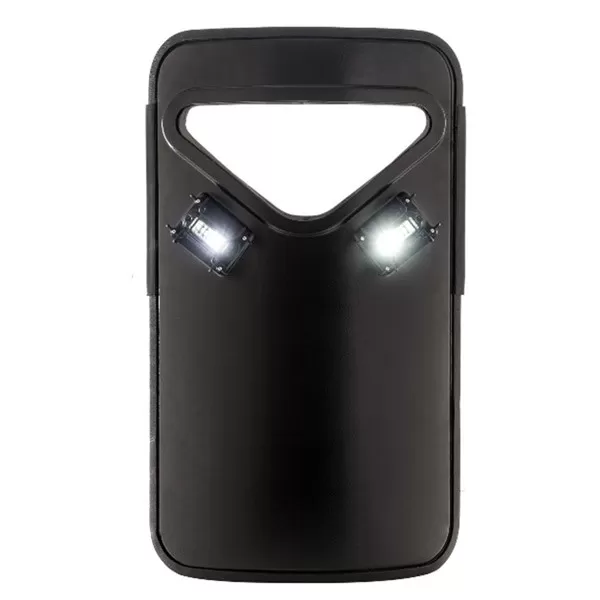
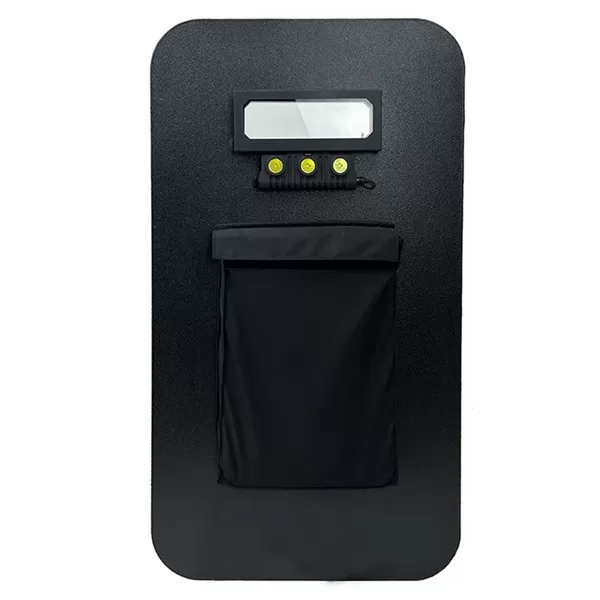
Crafted with high-performance composite materials, this handheld shield provides multi-threat protection, including bullets, knife attacks, and explosive fragments.
Selecting the correct ballistic shield is one of the most important decisions for law enforcement agencies, military units, security contractors, correctional facilities, and executive protection teams. A shield that is too heavy can reduce mobility, while a shield that provides insufficient protection may expose operators to unnecessary risk.
Before purchasing a handheld ballistic shield, decision-makers should evaluate several critical factors including protection level, shield dimensions, weight, operational environment, threat profile, and expected deployment duration.
The first step is identifying the threat level. Urban law enforcement officers often encounter handgun threats, while tactical teams may require protection against rifle rounds and armor-piercing ammunition.
Rapid-response teams prioritize lightweight shields that can be carried for extended periods. Security checkpoints may prefer larger shields with maximum coverage.
A high-quality ballistic viewing window enables operators to maintain situational awareness while remaining protected.
The ideal shield balances coverage and maneuverability. Larger shields provide enhanced protection but may reduce operational speed.
Investing in advanced composite materials can significantly reduce lifecycle costs through improved durability and lower maintenance requirements.
| Property | UHMWPE | Aramid | Ceramic Composite |
|---|---|---|---|
| Weight | Excellent | Good | Moderate |
| Rifle Protection | Good | Limited | Excellent |
| Impact Resistance | Excellent | Good | Very Good |
| Durability | Excellent | Good | Excellent |
| Operational Lifespan | Long | Moderate | Long |
Modern handheld bulletproof shields increasingly utilize UHMWPE composites because they offer an outstanding balance between weight reduction and ballistic protection.
Every shield should undergo strict ballistic testing procedures before deployment. Testing typically includes multiple impact points, environmental conditioning, backface deformation measurement, and fragmentation analysis.
Certified laboratories evaluate shield performance against designated ammunition types at specified velocities. The purpose is to verify that the shield can stop projectiles while minimizing blunt force trauma to the operator.
Additional testing may include:
Ballistic shields are widely used during high-risk warrant service, hostage rescue, and active shooter response missions.
Executive protection teams deploy lightweight shields to create immediate protective barriers during emergencies.
Prison emergency response teams utilize shields to safely manage inmate disturbances and cell extraction operations.
Security personnel can rapidly establish protected positions during critical incidents.
Ballistic shields provide an additional layer of protection for security teams responsible for safeguarding public institutions.
Weight varies depending on protection level, dimensions, and material construction.
Certain advanced models are designed to withstand rifle threats when manufactured to appropriate protection standards.
Service life depends on material selection, storage conditions, and maintenance practices.
Yes. Custom dimensions, viewing windows, handles, colors, and protection levels are commonly available.
Each serves different operational needs. Wheeled shields offer greater coverage, while handheld shields maximize mobility.
Weight varies depending on protection level, dimensions, and material construction.
Certain advanced models are designed to withstand rifle threats when manufactured to appropriate protection standards.
Service life depends on material selection, storage conditions, and maintenance practices.
Yes. Custom dimensions, viewing windows, handles, colors, and protection levels are commonly available.
Each serves different operational needs. Wheeled shields offer greater coverage, while handheld shields maximize mobility.