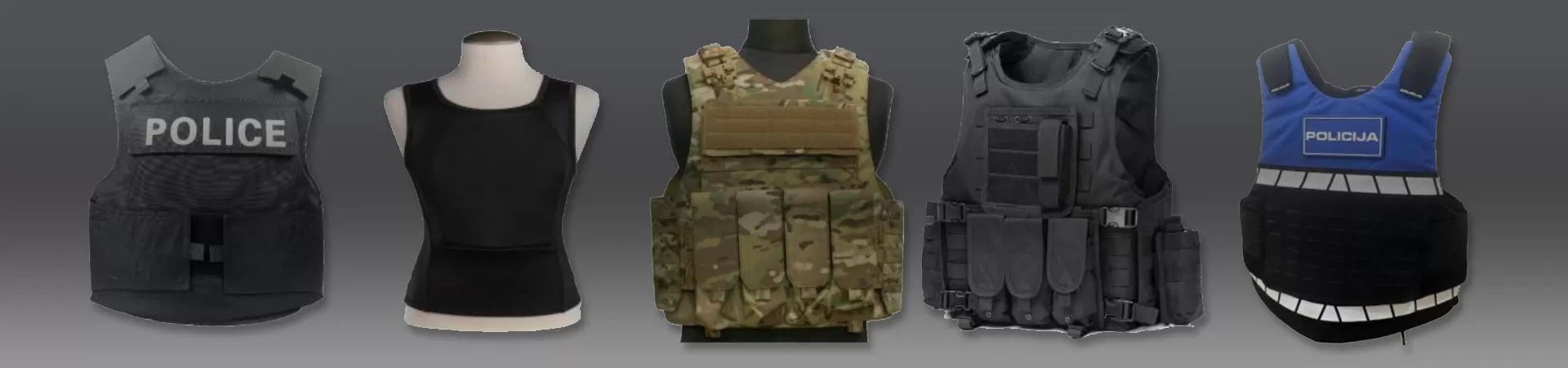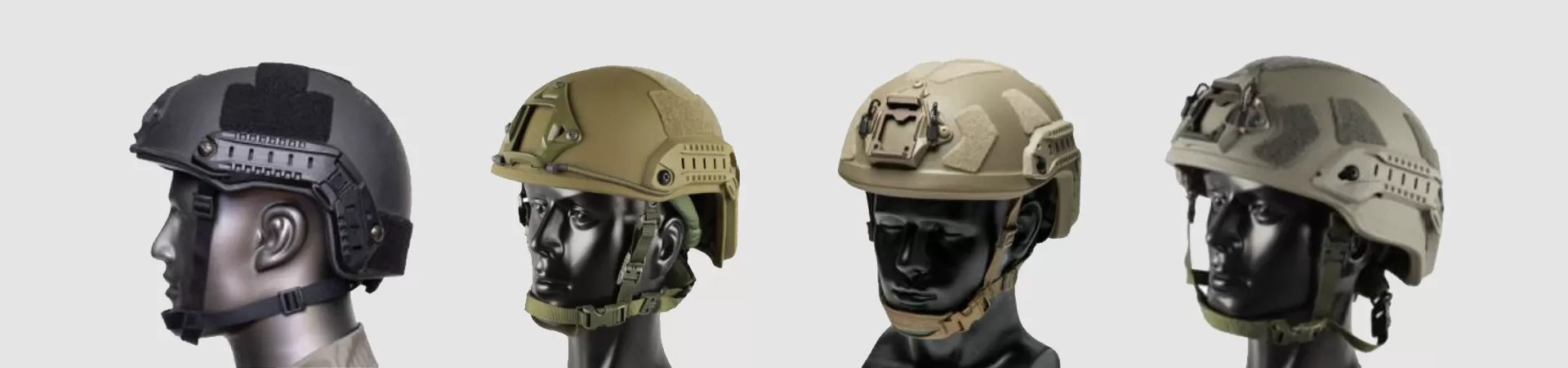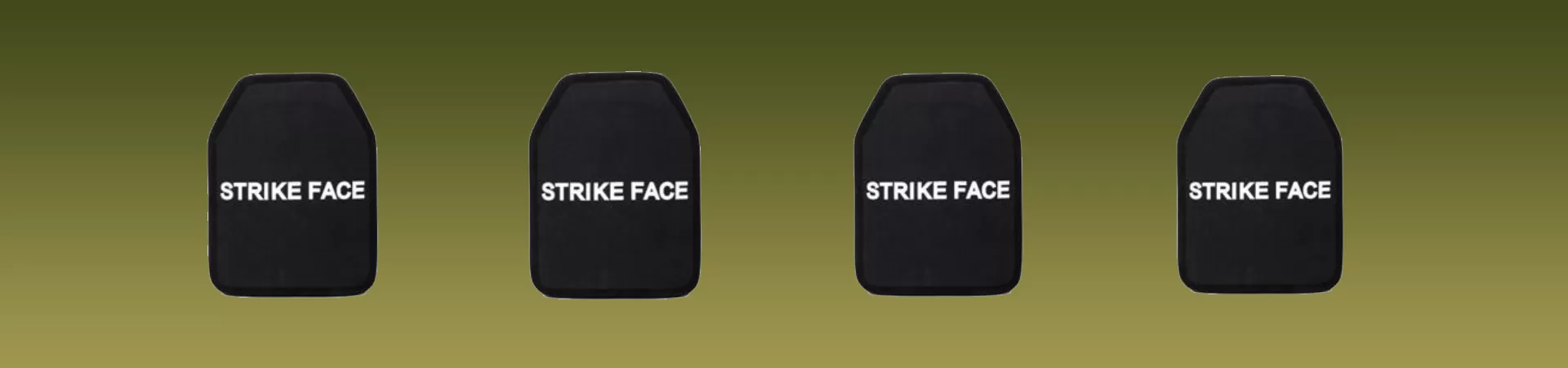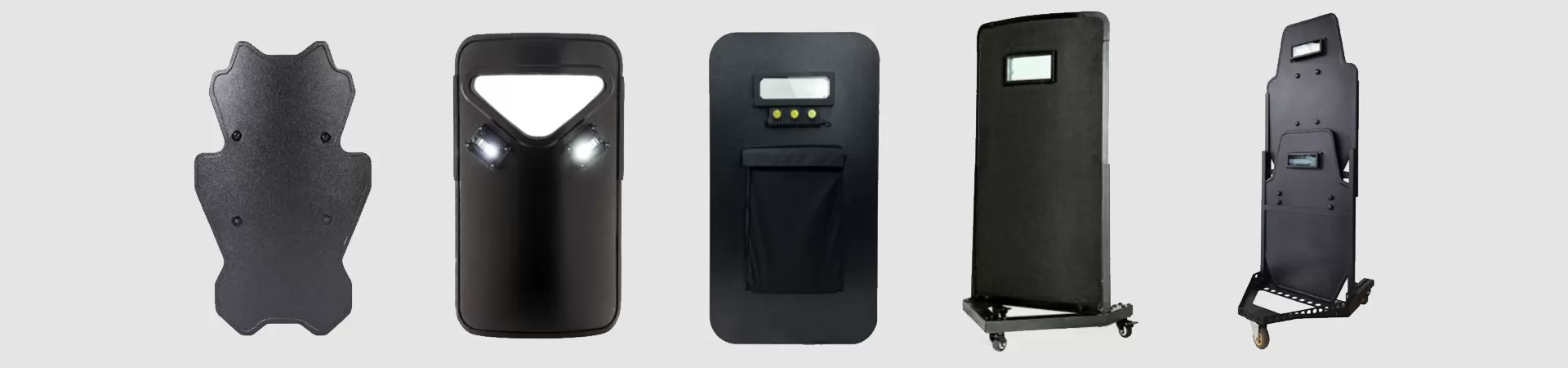
NIJ Level IV is one of the protection classifications defined by standards published by the National Institute of Justice (NIJ). These standards provide testing methodologies and performance criteria that help establish consistent evaluation procedures for ballistic-resistant equipment.
Protection classifications are intended to provide a common framework for understanding performance capabilities under controlled laboratory conditions. Various materials and engineering approaches may be used to achieve compliance with a particular protection level.
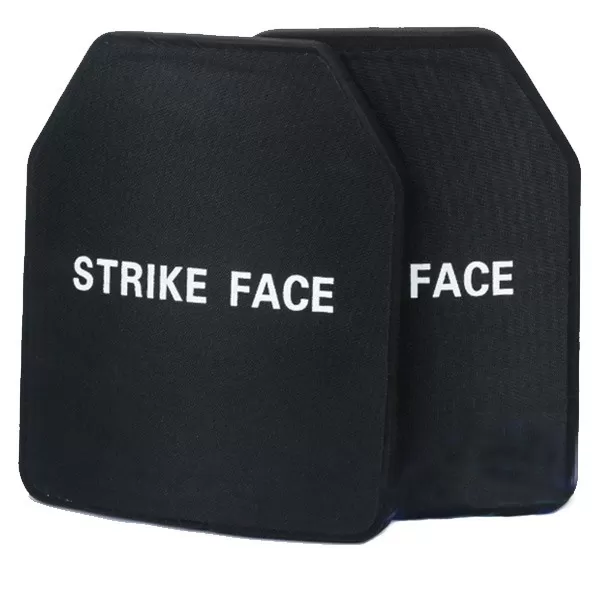
This NIJ Level IV stand alone armor plate is engineered to provide protection against armor-piercing rifle threats. The plate is designed using a strike-face alumina ceramic layer combined with a high-performance UHMWPE backing system.
The benchmark threat required under NIJ Level IV standards.
Alumina ceramic has become one of the most commonly used materials in NIJ Level IV ballistic plates due to its balance of protection performance, production efficiency, and affordability.
Ultra-high-molecular-weight polyethylene (UHMWPE) is a high-performance polymer known for its strength-to-weight characteristics. It is widely utilized across multiple industries that require lightweight structural performance.
UHMWPE composites may contribute to energy management, weight reduction and overall system efficiency when integrated into engineered structures.
The manufacturing of advanced protective composite systems typically involves multiple stages designed to ensure consistency and quality.
Incoming materials are evaluated according to established quality requirements.
Materials are prepared and processed according to engineering specifications.
Individual components are integrated into a composite structure.
Products undergo shaping, trimming and surface treatment procedures.
Final inspection processes help verify manufacturing consistency.
Quality assurance programs typically include raw material verification, process monitoring and final product evaluation. Documented procedures help support consistency across production batches.
We may implement additional controls depending on customer requirements, regulatory obligations and internal quality objectives.
| Feature | Stand Alone | ICW |
|---|---|---|
| Requires Soft Armor | No | Yes |
| Ease of Deployment | Excellent | Moderate |
| User Convenience | High | Medium |
| Independent Protection | Yes | No |
For users seeking rapid deployment and simplified equipment configuration, stand alone ballistic plates are generally preferred.
As a professional ballistic protection manufacturer, we provide flexible OEM and private-label services for distributors, government procurement projects, tactical equipment brands, and security solution providers worldwide.
Our ballistic protection products are exported to customers across North America, South America, Europe, the Middle East, Africa, and Southeast Asia.
This model is designed as a stand alone NIJ Level IV plate, so it does not require a soft armor backer for the stated protection structure.
The plate is designed to stop .30 M2 AP, which is a core reference threat for NIJ Level IV product positioning.
The construction uses PE and alumina ceramic, a combination often chosen for strong ballistic performance and practical weight control.
Yes. A polyurea coating surface is available as an optional upgrade, which gives you a useful customization and premium finish option.